
The Art of Slow Living Through Handmade Ceramic Cups

Why Handmade Ceramics Feel Different
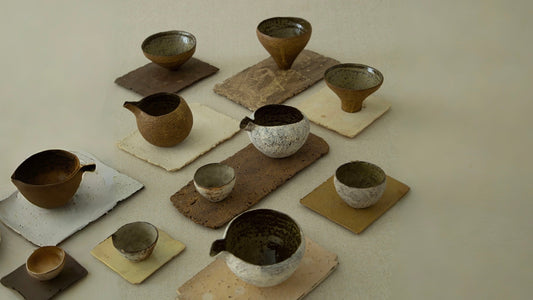
There is a profound emotional difference between drinking from a mass-produced cup and holding a handmade ceramic vessel shaped by an artist’s hands. Handmade pottery contains subtle imperfections, soft asymmetry, brush textures, and tiny kiln variations that remind us of real craftsmanship. These details create emotional warmth that industrial products often lack.
At Artnestory, ceramic design is never simply about function. A cup is transformed into a miniature narrative object. The Green Meadow Butterfly Grip Cup captures the atmosphere of spring fields after rain. The White Cloud Bird Egg Cup evokes floating clouds and peaceful skies. The Sunset Lamb Goblet feels like a countryside sunset wrapped into clay and glaze.
Modern homes are becoming increasingly minimalist, but emotional minimalism can sometimes feel cold. Handmade ceramics restore softness to everyday life. A coffee ritual becomes more intentional when the vessel itself feels alive. The rounded curves of the Apple Gourd Handheld Cup fit naturally into the palm, encouraging slower movement and mindful moments.
Slow living is not about rejecting modern life entirely. Instead, it is about creating moments of pause inside fast routines. A handcrafted mug waiting on a wooden breakfast table can become a reminder to breathe, to notice light through the window, and to reconnect with ordinary beauty.
The emotional impact of ceramics comes from tactility. Unlike digital experiences, clay exists physically. The texture of underglaze painting, the slight unevenness of a hand-formed rim, or the matte softness of rustic glaze surfaces engage the senses directly. This tactile quality is why many collectors describe handmade ceramics as emotionally comforting.
Across generations and cultures, pottery has always carried human stories. Ancient tea bowls, village tableware, ceremonial vessels, and handmade cups all reveal traces of the people who created them. Contemporary artistic ceramics continue this tradition by blending craftsmanship with personal expression.
The rise of emotionally driven interiors has also transformed how people shop for home objects. Consumers increasingly seek items that feel meaningful rather than generic. Decorative cups featuring animals, flowers, fruit motifs, and whimsical illustrations create emotional attachment because they remind people of memories, childhood innocence, or peaceful natural landscapes.
The Blueberry Grip Cup, for example, evokes forest picnics and summer mornings. The Cake Puppy Grip Cup feels playful and nostalgic. The Chang’e Moon Rabbit Choko Cup references mythology and dreamlike imagination. These artistic details allow ceramics to function almost like emotional companions inside daily routines.
Handmade ceramics also encourage seasonal living. During winter, a snowman latte mug feels comforting beside warm drinks and blankets. During spring, floral cups and butterfly motifs create fresh atmosphere indoors. Seasonal ceramics subtly reconnect us with natural rhythms often forgotten in urban life.
Unlike trend-driven decor that quickly becomes outdated, artisan pottery develops character over time. Small glaze crackles, natural wear, and repeated use often increase emotional value rather than diminish it. Many people eventually associate specific cups with memories, relationships, travels, or personal milestones.

Objects That Carry Emotion
Emotional design has become one of the most important movements in contemporary home aesthetics. People no longer buy objects solely for utility. They seek atmosphere, emotional resonance, and storytelling.
This is especially true for ceramics. Cups are among the most intimate objects we use daily. They touch our hands, lips, routines, and quiet moments.
A hand-painted cat mug can brighten an exhausting morning. A floral goblet can transform afternoon coffee into a small ritual. A cloud-inspired cup can soften a minimalist interior with warmth and imagination.
The emotional comfort created by whimsical ceramics explains why illustrated pottery continues to resonate globally. Animal motifs feel gentle and approachable. Flowers symbolize softness and renewal. Fruit-inspired forms bring playful energy into neutral spaces.
At Artnestory, these themes merge into collectible functional art pieces designed for both everyday use and emotional connection.
The Return of Ritual in Everyday Life
Modern lifestyles often reduce routines into mechanical actions. Coffee becomes fuel rather than experience. Tea becomes background habit rather than mindful pause. Handmade ceramics restore ceremony to these moments.
Pouring latte art into a peony-rim ceramic cup instantly changes the emotional atmosphere of a morning. The visual beauty of the vessel slows perception. People naturally become more present when interacting with artistic objects.
Ritual does not require luxury or complexity. Sometimes ritual simply means lighting a candle before tea, selecting a favorite handmade mug, and allowing ten quiet minutes without screens. These moments become increasingly valuable in digitally saturated lifestyles.
The tactile weight of handmade pottery reinforces mindfulness. Thick ceramic walls retain warmth differently than industrial porcelain. Textured handles feel organic rather than standardized. These sensory experiences subtly deepen emotional engagement.
Many ceramic collectors describe their favorite cups almost like personalities. Some cups feel comforting on rainy days. Others suit morning espresso rituals or nighttime herbal tea. This emotional specificity is part of what makes artisan pottery so meaningful.

Nature as Inspiration
Nature remains one of the most powerful inspirations within handmade ceramic design. Flowers, birds, clouds, fruit, forests, rabbits, cats, butterflies, and seasonal landscapes all appear repeatedly because they create emotional calmness.
Natural imagery softens interiors dominated by technology and hard architectural lines. A blueberry-inspired cup or butterfly grip vessel introduces organic rhythm into modern spaces.
Cottagecore aesthetics, slow living culture, Japanese wabi-sabi philosophy, and Scandinavian emotional minimalism have all contributed to renewed appreciation for nature-inspired handmade objects.
Ceramics become bridges between indoor living and natural imagination. Even in crowded cities, these objects preserve emotional connection to forests, gardens, animals, and changing seasons.
Collecting Handmade Cups as Personal Art
The culture surrounding artisan ceramics has evolved significantly in recent years. Handmade mugs and cups are increasingly collected similarly to art prints or small sculptures.
Limited handmade production naturally creates individuality. No two cups are entirely identical. Brushstrokes vary. Glaze flow changes during firing. Hand-shaped forms remain unique.
Collectors are drawn to this uniqueness because it contrasts sharply with algorithmic sameness in modern consumer culture.
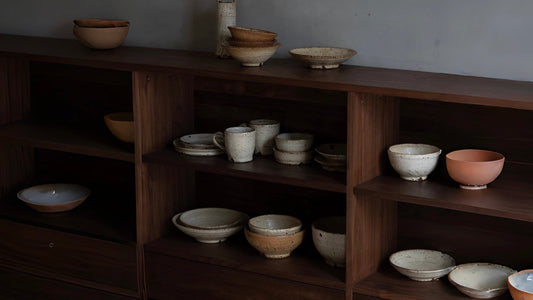
Some people build seasonal collections. Others focus on animal motifs, floral glaze palettes, or narrative illustration styles. Many display cups openly on wooden shelving as decorative art pieces even when not in use.
Handmade ceramics blur boundaries between functionality and sculpture. A cup can simultaneously be practical tableware and emotional visual art.
This dual identity makes artisan pottery especially meaningful in contemporary homes where people increasingly seek intentional objects with both utility and aesthetic depth.
“The most beautiful objects are often the ones that quietly accompany ordinary life.”
The Future of Emotional Craftsmanship
As artificial intelligence, automation, and digital consumption continue expanding, handmade craftsmanship may become even more emotionally valuable. Human-made objects preserve irregularity, patience, and personal expression. These qualities feel increasingly precious in algorithm-driven environments.
Younger generations are also redefining luxury. Instead of prioritizing status logos alone, many consumers now value authenticity, artistic individuality, and emotional connection. Handmade ceramics fit naturally within this cultural shift.
Artnestory represents this movement through illustrated ceramic storytelling rooted in warmth, imagination, and tactile beauty. Every cup becomes more than drinkware. It becomes part of atmosphere creation, emotional ritual, and personal identity.
Whether it is the playful personality of a hand-painted cat mug, the poetic softness of a floral goblet, or the nostalgic charm of a fruit-inspired handheld cup, these objects remind people that beauty belongs inside ordinary moments.
The future of home aesthetics may not revolve around perfection. Instead, it may center on emotional resonance, craftsmanship, and meaningful imperfection. Handmade ceramics embody this philosophy beautifully.
When someone reaches for a favorite cup every morning, they are not only choosing an object. They are choosing a feeling. They are choosing atmosphere. They are choosing how they wish to experience daily life.
In this sense, handmade pottery becomes deeply personal. It accompanies solitude, conversations, creative work, reading rituals, rainy afternoons, celebrations, and peaceful mornings. Over time, these quiet interactions accumulate emotional significance.
That is the true power of handcrafted ceramics. They transform ordinary routines into meaningful experiences through texture, imagination, artistry, and human warmth.