
The Poetry of Handmade Cups: How Artistic Ceramics Transform Everyday Moments

Why People Are Returning to Handmade Living
Contemporary lifestyles are increasingly shaped by speed, digital overload, and endless visual stimulation. Screens dominate communication, work, entertainment, and shopping. As a result, many people feel emotionally disconnected from physical experience and sensory calmness.
This emotional fatigue has created a renewed appreciation for handmade living. Consumers are no longer searching only for products that function efficiently. They want objects that feel meaningful, artistic, comforting, and emotionally alive.
Handmade ceramics embody these desires beautifully because they preserve human touch. Unlike industrial products manufactured through mechanical repetition, artisan pottery contains subtle irregularities that reveal craftsmanship and individuality.
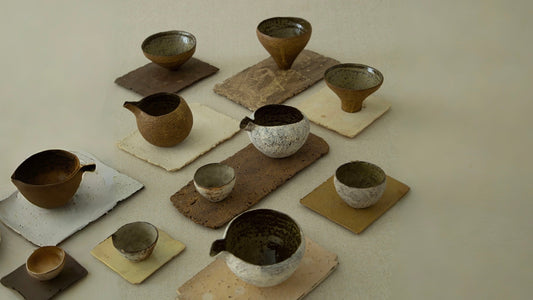
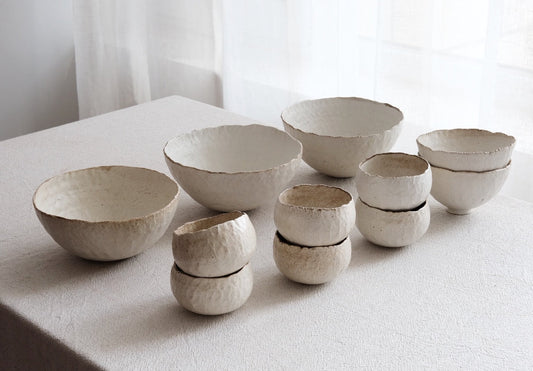
A slightly uneven rim, flowing glaze texture, visible brushstroke, or hand-painted illustration transforms a ceramic cup into something emotionally unique. These imperfections create intimacy because they remind us that beauty can exist naturally rather than artificially.
At Artnestory, every ceramic piece is designed with emotional storytelling in mind. The Green Meadow Butterfly Grip Cup captures the softness of spring landscapes. The White Camellia Choko Cup evokes quiet floral elegance. The Apple Gourd Handheld Cup feels playful and nostalgic at the same time.
These objects invite people to slow down and reconnect with small rituals often forgotten in fast-moving routines.

Handmade Cups as Emotional Companions
There is something deeply personal about ceramic cups because they exist so closely within everyday routines. Unlike decorative objects viewed from a distance, mugs and cups are touched constantly. They become part of morning rituals, creative afternoons, quiet nighttime moments, and conversations shared with loved ones.
Over time, emotional attachment develops naturally. Certain cups become associated with specific seasons, emotions, or memories. A floral latte goblet may remind someone of spring mornings beside open windows. A hand-painted cat mug may become connected to late-night reading sessions or comforting rainy days.
These emotional relationships explain why artisan ceramics often feel irreplaceable. Their value does not come only from material craftsmanship. It comes from emotional participation in everyday life.
The tactile nature of clay intensifies this connection. Handmade pottery feels warmer, heavier, and more organic than mass-produced tableware. Textured surfaces encourage touch. Rounded handles fit naturally into the palm. Matte glazes absorb light softly rather than reflecting it mechanically.
These sensory experiences create grounding emotional comfort. In many ways, handmade ceramics function almost like physical mindfulness tools. They encourage awareness of warmth, texture, weight, and presence.
The rise of café culture has also contributed to renewed appreciation for artistic drinkware. Coffee and tea are no longer viewed purely as beverages. They have become rituals connected to atmosphere, creativity, and emotional wellbeing.
Latte art inside a handcrafted floral cup feels entirely different from coffee served in generic industrial mugs. The vessel itself changes perception of the experience.
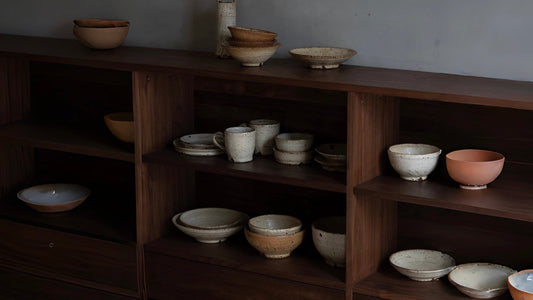
This emotional layering is precisely why collectors increasingly display handmade mugs openly on shelves rather than storing them away. Ceramic cups have become both functional tools and visual storytelling pieces within interior design.
The Power of Animal Motifs
Animal-inspired ceramics create immediate emotional warmth because they feel familiar, playful, and comforting. Cats, rabbits, bears, ducks, penguins, and birds introduce personality into domestic spaces.
The Golden Chinchilla Orange Cat Coffee Mug and Corgi Puppy Mug embody this emotional softness perfectly. Their illustrated forms feel expressive rather than decorative alone.
Animal imagery also reconnects people with innocence and imagination. In stressful modern environments, whimsical motifs create emotional relief through lightheartedness and visual charm.
Many collectors choose animal-themed ceramics specifically because they create comforting emotional atmosphere inside kitchens, studios, and cafés.
Flowers, Nature, and Emotional Calm
Botanical aesthetics have remained timeless within ceramic artistry because nature naturally evokes peace and emotional softness.
Floral-rim cups, butterfly goblets, blueberry-inspired vessels, and camellia choko cups bring organic rhythm into contemporary interiors often dominated by hard architectural lines and technology.
Nature-inspired ceramics also align beautifully with slow living culture, cottagecore aesthetics, Japanese wabi-sabi philosophy, and emotional minimalism.
These movements all emphasize mindfulness, tactile beauty, seasonal awareness, and appreciation for imperfect natural forms.
“A handmade ceramic cup does not simply hold a drink. It holds atmosphere, memory, and feeling.”

The Future of Emotional Craftsmanship
As artificial intelligence, automation, and mass production continue expanding globally, handmade craftsmanship may become increasingly valuable emotionally and culturally.
Consumers are already shifting toward intentional purchasing habits. Rather than accumulating disposable products, many people now prefer fewer objects with stronger emotional meaning and artistic quality.
Handmade ceramics fit naturally within this cultural evolution because they combine functionality with emotional resonance. Every glaze variation, brushstroke, and sculpted detail reminds us of patience and human creativity.
At Artnestory, this philosophy shapes every collection. Whimsical illustrations, floral storytelling, nostalgic forms, vintage artistic influence, and healing aesthetics merge into collectible ceramic pieces designed to enrich daily rituals.
The Van Gogh Starry Sky Gourd Cup transforms artistic inspiration into tactile form. The Snowman Latte Mug creates winter nostalgia. The Blueberry Grip Cup evokes woodland freshness and summer calmness.
These objects are not designed merely to match trends. They are created to cultivate atmosphere and emotional connection over time.
Handmade pottery ultimately reminds us that ordinary life deserves beauty too. Morning coffee, afternoon tea, quiet journaling sessions, and evening conversations become richer when accompanied by thoughtfully crafted objects.
In this way, artistic ceramics quietly transform homes into emotional spaces filled with warmth, imagination, and personality.
That may be why handmade cups continue resonating so deeply across cultures and generations. They bring softness back into daily life — one small ritual at a time.