
Whimsical Ceramics and the Rise of Emotional Home Aesthetics
ARTNESTORY CERAMIC JOURNAL
Whimsical Ceramics and the Rise of Emotional Home Aesthetics
From hand-painted cats and blueberry-inspired cups to flower-rim latte goblets and moonlit rabbit vessels, modern handmade ceramics are no longer simply functional objects. They have become emotional companions inside contemporary homes, carrying warmth, imagination, and quiet storytelling into everyday rituals.

The Emotional Shift in Modern Living
Over the last decade, home aesthetics have undergone a remarkable transformation. Minimalist interiors once focused heavily on clean lines, monochrome palettes, and visual simplicity. While these spaces felt elegant, many people eventually began craving something softer and more emotionally engaging.
As digital lifestyles intensified and daily routines became increasingly fast-paced, emotional comfort inside the home gained new importance. Consumers started searching for objects that felt personal rather than purely decorative. Handmade ceramics emerged naturally within this cultural movement because they embody warmth, irregularity, storytelling, and tactile humanity.
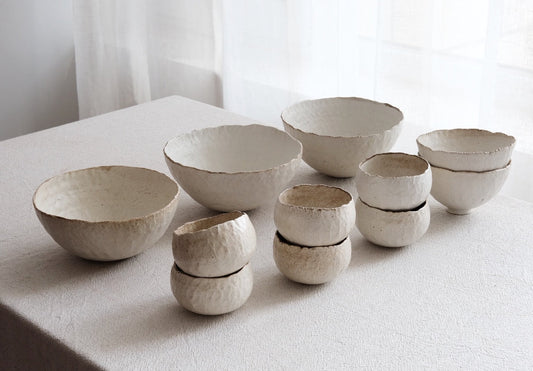
Unlike factory-produced tableware, artisan pottery carries traces of the maker’s hand. Brush textures, uneven rims, layered glazes, and hand-painted illustrations create emotional authenticity. These details remind people that beauty does not require mechanical perfection.
At Artnestory, every ceramic vessel reflects this philosophy. Whether it is the playful Apple Gourd Handheld Cup, the dreamy White Cloud Bird Egg Cup, or the charming Cake Puppy Grip Cup, each design transforms everyday drinking rituals into imaginative emotional experiences.
Handmade ceramics are uniquely powerful because they exist at the intersection of art and intimacy. A mug is not merely observed from a distance. It is held, touched, used daily, and emotionally integrated into personal routines. Over time, these interactions create attachment and memory.
Why Whimsical Design Resonates So Deeply
Whimsical aesthetics have become increasingly popular because they counterbalance emotional exhaustion caused by modern life. Soft illustrations, animal motifs, floral forms, and playful silhouettes evoke innocence, imagination, and emotional calmness.
The Golden Chinchilla Orange Cat Coffee Mug, for example, creates warmth through familiarity and humor. Animal-inspired ceramics often feel comforting because they introduce personality into ordinary spaces.
Flowers function similarly. Floral rims and botanical illustrations soften modern interiors filled with metal, concrete, and screens. A peony latte cup or butterfly grip goblet introduces gentle visual movement and romantic atmosphere.
These emotional design elements are not superficial decoration. They actively influence mood and sensory experience within the home.
Psychological studies consistently show that tactile objects, organic forms, and nature-inspired visuals can reduce emotional stress and increase feelings of comfort. Handmade ceramics naturally align with these emotional needs.
This explains why many collectors describe their favorite ceramic cups almost like companions. Certain mugs become associated with peaceful mornings, creative work sessions, rainy afternoons, or conversations shared with loved ones.
The Return of Handmade Culture
In recent years, younger generations have increasingly embraced craftsmanship and independent artistry. Rather than prioritizing mass-produced luxury alone, many consumers now seek authenticity, emotional resonance, and individuality.
Handmade ceramics fit perfectly within this shift because every piece remains slightly unique. No glaze behaves identically in the kiln. No hand-painted illustration can ever be perfectly replicated.
These natural variations create emotional value. They remind us that human creation contains spontaneity and soul.
At Artnestory, this philosophy appears throughout the collection. The Van Gogh Starry Sky Gourd Cup combines painterly artistic references with traditional ceramic forms. The Blue-and-Gold Gourd Choko Cup merges classic decorative techniques with contemporary usability.
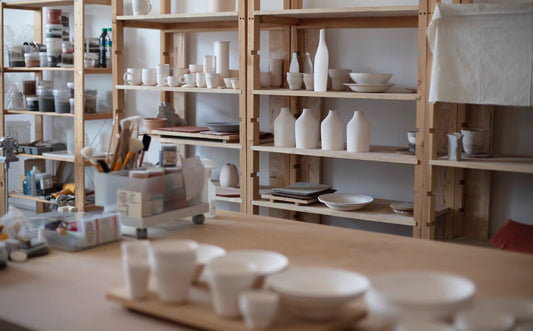
Handmade pottery also reflects patience. Every piece requires shaping, drying, glazing, firing, cooling, and finishing. In a culture obsessed with instant consumption, this slower creative process feels increasingly meaningful.
Consumers today are not simply purchasing products. They are seeking emotional narratives and artistic experiences.
“A handmade cup quietly changes the atmosphere of an entire morning.”

The Beauty of Ritual Objects
Ritual objects hold extraordinary emotional power because they appear repeatedly in daily life. A favorite coffee mug may accompany early work mornings, nighttime reading, or slow weekend breakfasts for years.
Over time, the object absorbs emotional memory. Handmade ceramics become linked to atmosphere, scent, light, weather, and routine.
This emotional layering explains why artisan mugs often feel irreplaceable. Their value extends far beyond material utility.
The tactile sensation of handmade clay further deepens emotional engagement. Thick ceramic walls retain warmth differently than industrial porcelain. Textured surfaces invite touch. Rounded handles fit naturally within the hand.
Every sensory detail contributes to a slower and more intentional drinking experience.

Storytelling Through Ceramics
One of the most distinctive qualities of artistic ceramics is their ability to tell stories visually. Unlike plain commercial tableware, illustrated handmade pottery communicates mood, narrative, and imagination.
The Chang’e Moon Rabbit Choko Cup references folklore and moonlit fantasy. The Snowman Winter Latte Mug evokes nostalgic seasonal warmth. The Blueberry Forest Goblet suggests woodland scenery and summer gatherings.
These narrative elements transform cups into emotional worlds rather than simple objects.
Storytelling also strengthens collectibility. People are naturally drawn toward objects that feel meaningful or symbolic.
As a result, handmade ceramics increasingly occupy spaces once reserved for decorative art pieces and sculpture.
How Handmade Ceramics Shape Contemporary Interiors
Interior design trends have shifted dramatically toward emotional warmth over the past several years. Sterile perfection and impersonal styling are gradually giving way to layered textures, nostalgic materials, and artisan-crafted objects.
Handmade ceramics contribute significantly to this transformation because they introduce softness and individuality into contemporary spaces. Even a single illustrated mug displayed on open shelving can alter the emotional tone of a kitchen or studio.
Ceramic cups featuring flowers, animals, and painterly glazes create visual rhythm among neutral interiors. In minimalist homes, whimsical pottery becomes focal artwork. In maximalist interiors, handcrafted cups contribute layered storytelling and personality.
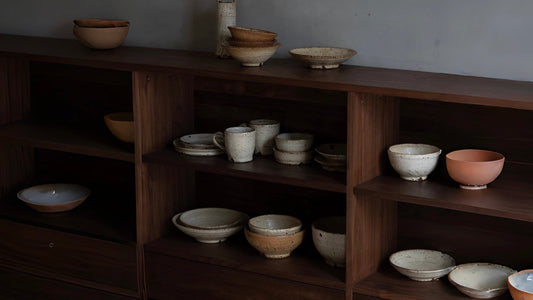
Open shelving culture has further elevated ceramic aesthetics. Many people now intentionally display handmade mugs and goblets rather than hiding them inside cabinets. Collections become visual extensions of personal taste and emotional identity.
The rise of café culture has also influenced domestic ceramic appreciation. Specialty coffee rituals encourage consumers to value not only beverages themselves but also the vessels used to enjoy them. Latte art, hand brewing, slow coffee preparation, and tea rituals all become more immersive when paired with artisan pottery.
Handmade ceramics also align beautifully with modern wellness culture. Wellness today extends beyond fitness into atmosphere creation and emotional regulation. Lighting candles, preparing tea, journaling, reading quietly, and creating comforting environments have all become forms of self-care.
Artisan pottery enhances these rituals because it slows sensory experience. The visual beauty of glaze reflections, the warmth of clay surfaces, and the organic imperfection of hand-formed vessels encourage mindfulness.
This relationship between ceramics and emotional wellness is especially important in digitally saturated lifestyles. Screens dominate work, entertainment, communication, and shopping. Handmade pottery reintroduces physicality and tactile presence into daily routines.
Many people instinctively seek grounding sensory experiences after prolonged digital exposure. Clay, wood, linen, flowers, and handmade textiles all satisfy this emotional need for texture and reality.
Handmade ceramic culture also encourages appreciation for imperfection. Contemporary society often pressures individuals toward polished performance and unrealistic standards. Wabi-sabi philosophy, however, celebrates irregularity, incompleteness, and natural aging.
A slightly uneven cup rim or organically flowing glaze becomes beautiful precisely because it feels human. This emotional acceptance of imperfection resonates deeply with modern audiences.
At Artnestory, these ideas merge into a visual language that combines healing aesthetics, artistic storytelling, playful illustration, and collectible craftsmanship.
The result is not simply ceramic tableware. It is emotional atmosphere translated into clay.
Whether someone chooses a butterfly goblet, a cat coffee mug, a floral latte cup, or a blueberry handheld vessel, they are choosing how they want daily life to feel.
That emotional intention may ultimately be the most important reason handmade ceramics continue gaining global popularity. People are no longer satisfied with objects that merely function. They want objects that emotionally participate in life itself.
Handmade pottery does exactly that. Quietly, gently, and beautifully.